Choosing Emergency Restoration Services: What Homeowners Should Clarify Before Work Begins
When a home has been hit by water, smoke, mold, sewage, or storm damage, most people are not comparing contractors from a calm place. They are tired, worried, and trying to protect both the property and the people living in it. That is exactly why the first conversations with an emergency restoration services company matter so much.
A lot can go wrong when the scope is unclear at the beginning. Homeowners may assume the crew will remove damaged materials, dry the structure, handle odor removal, and provide the documentation needed for insurance, only to learn later that some of that work was never included. On the other side, a contractor may arrive ready to start mitigation while the homeowner still has basic questions about contamination, testing, permits, or whether parts of the home should even be disturbed yet.
In Lake County, and especially around Groveland, those questions come up often. The local climate does homes no favors. Humid summers, heavy rain, and hurricane season can turn a small leak into a broader moisture problem fast. That is why homeowners looking for water damage cleanup Central Florida services, mold removal Groveland help, or hurricane damage restoration Florida support should slow down just enough to get a few key points clarified before work begins.
The first thing to settle is what kind of problem you actually have
Not all restoration work is the same, even if the house simply looks “damaged.”
A pipe leak behind a wall is one kind of job. A roof leak after a storm is another. A sewage backup is a different category altogether because it can create health hazards. Fire and smoke damage cleanup brings its own concerns, especially in the first 24 https://rentry.co/a2t26y68 hours, when safety, salvage, and insurance steps tend to overlap. Mold can be visible, hidden, or tied to HVAC components. And if the home is older, disturbing building materials may raise separate concerns about lead-based paint or asbestos.
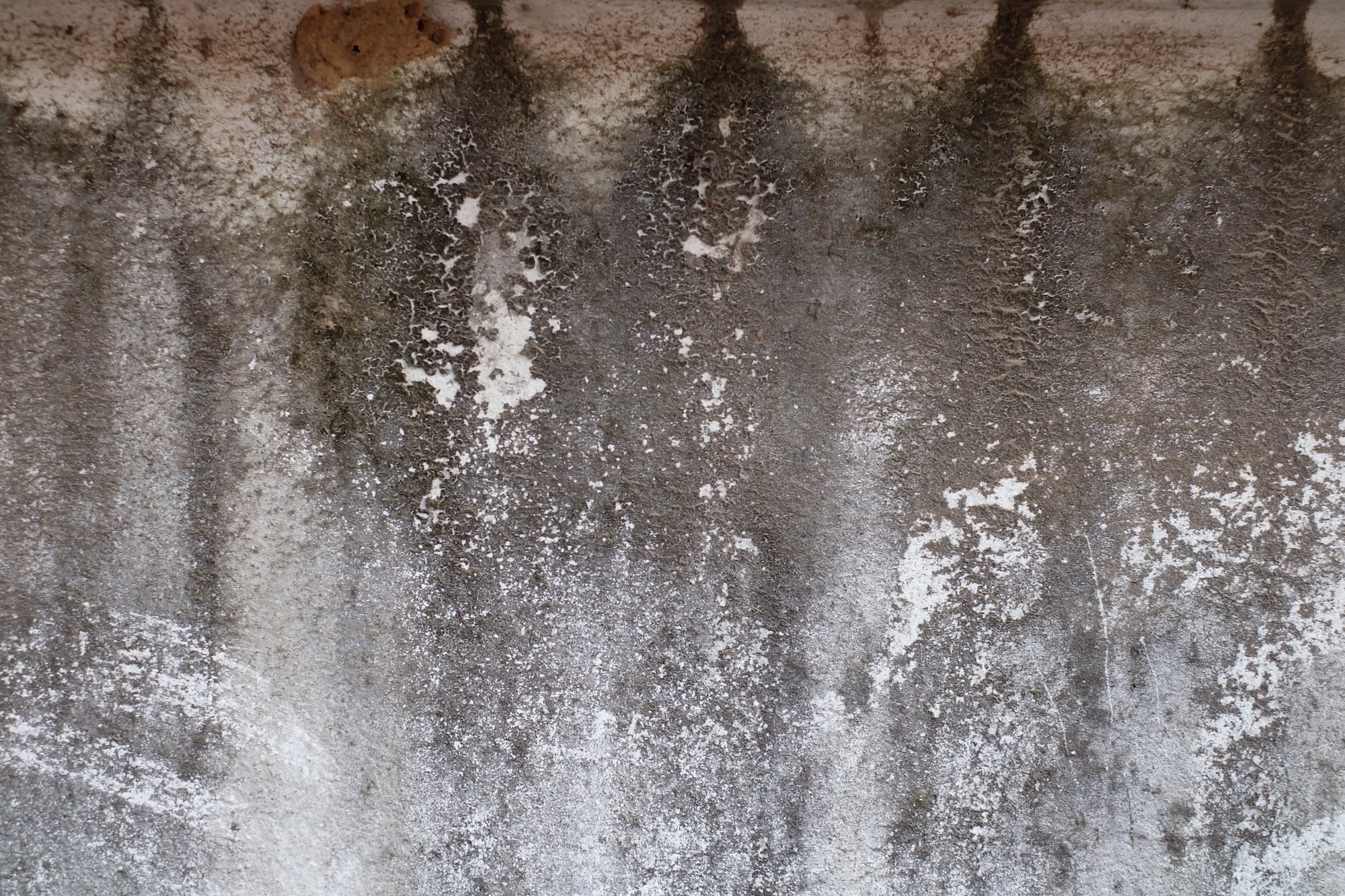
This sounds obvious, but homeowners often call for “cleanup” when what they really need first is a clear diagnosis. If there is visible mold, recurring mold, or a musty smell that keeps returning, Florida health guidance points to the moisture source as the issue that still has to be solved. Cleaning the surface without identifying where the moisture came from is usually where frustration starts.
The same goes for storm and flood conditions. After a major rain event or hurricane, contamination is not always visible. Flooded homes can involve sewage exposure, unsafe utilities, and soaked materials that begin supporting mold growth quickly. If the restoration company cannot explain the difference between drying, decontamination, and rebuilding, keep asking questions.
Ask what happens before demolition starts
Some of the most expensive mistakes happen in the first phase, when everyone is eager to “open things up” and get wet materials out.
That approach may be necessary, but not before a few facts are sorted out. If the home is older, renovation or repair work can disturb hazardous materials. EPA guidance notes that homes built before 1978 may contain lead-based paint, and asbestos is another concern during renovation or demolition work on older materials. So if a restoration crew wants to start cutting drywall, pulling flooring, or disturbing textured materials in an older house, it is reasonable to ask whether any testing should happen first.
This matters in practical terms, not just regulatory ones. Homeowners in this area sometimes ask about Groveland FL asbestos testing only after demolition has already started, when dust has spread and project costs have become harder to predict. If the house has age-related risk factors or the damage affects older finishes, asking that question upfront can prevent a messy mid-project pause. The same goes for asbestos abatement Lake County concerns. If hazardous materials are in play, the restoration scope may need to shift before standard tear-out continues.
A good company should be comfortable explaining what they know, what they do not know yet, and when a separate evaluation is needed.
Clarify whether they are fixing the source, or only treating the symptoms
This is one of the biggest misunderstandings in restoration.
Homeowners often think the company handling the cleanup is also solving the cause. Sometimes that happens. Sometimes it does not. A drying crew may remove wet materials and set equipment, but the roof leak still needs a roofer. Mold cleanup may remove visible growth, but the bathroom exhaust issue, condensation problem, plumbing leak, or HVAC drain-pan issue still needs correction. Florida guidance is very clear on the core principle: mold grows when moisture is present.
So before work begins, ask a plain question: are you correcting the moisture source, or only addressing the damage it caused?
That distinction matters a great deal in mold cases. If you are hiring for mold removal Groveland services and the company talks mainly about fogging, surface treatment, or deodorizing, but says little about where the moisture came from, that is a warning sign. Visible mold or mold that keeps coming back usually means the underlying moisture problem remains unresolved.
In Central Florida, HVAC systems come up often. Florida health guidance says that if a central AC system is being used to keep humidity below 60 percent, the system should be examined for problems. In real homes, that can mean a neglected drain pan, poor airflow, condensation, or another issue tied to the system. If there is concern about HVAC mold remediation, do not settle for vague language. Ask whether they are evaluating the system itself, only cleaning nearby materials, or recommending a separate HVAC inspection.
Licensing is not a side issue
During a stressful loss, homeowners naturally focus on speed. Speed matters, but so does making sure the work is being handled by the right people.
For mold concerns in Florida, licensure for mold assessors and mold remediators is handled by the Florida Department of Business and Professional Regulation. That means if a company is presenting itself as doing mold-related work, homeowners should not feel awkward about asking who is licensed, what role they are serving, and how that lines up with the scope proposed.
This is especially important when one company seems to be offering every possible service under one roof. Sometimes that can be efficient. Sometimes it blurs responsibilities. The point is not to make the process harder. The point is to know who is responsible for assessment, who is doing remediation, and whether the company is working within the proper role for the job.
The same practical mindset applies if the project may involve hazardous materials. If someone suspects asbestos-containing materials may be affected, or if a home’s age raises the question, that is not the moment for guesswork.
Insurance coordination should be discussed before the first piece of drywall comes out
Many homeowners assume their restoration company will “handle insurance,” but that phrase means different things to different people.
FEMA recovery guidance stresses documenting damage and coordinating with the insurer during cleanup and repairs after flood, storm, smoke, or fire events. The National Association of Insurance Commissioners also reminds consumers that homeowners insurance is a legal contract, which means it is worth asking questions and understanding what is covered. In practice, that means you should know early who is taking photos, who is writing the initial scope, who is communicating with the carrier, and what records you should keep yourself.
I have seen homeowners lose time simply because nobody discussed documentation standards at the start. The crew got to work, which was good, but the homeowner had very few “before” photos, limited itemization, and no clear separation between emergency mitigation and later reconstruction costs. That can complicate conversations with the insurer, even when the damage itself is obvious.
Before work begins, pin down a few simple points:
- What damage should you document before cleanup starts, including contents and finishes?
- Will the company provide photos, moisture readings, or other job records as work progresses?
- Who communicates with the insurer, and what parts of that communication are still your responsibility?
- Is the proposed work limited to mitigation, or does it also include repairs and rebuilding?
- How will change orders or newly discovered damage be handled and documented?
That short conversation can save a lot of confusion later.
Safety needs to be part of the opening conversation, not an afterthought
A restoration emergency is not just a property problem. It can also be a health and safety problem.
After flooding or storm damage, reentry should focus first on safety, utilities, and contamination risks. Flood water may carry sewage. Wet electrical systems may be unsafe. Food exposed to flood or storm water should be thrown away, according to CDC guidance. If generators are being used during recovery, fire and carbon-monoxide risks need to be taken seriously.
In sewage situations, the risks are even more direct. CDC guidance says sewage backups can create health hazards, and affected areas should be isolated during cleanup. So if you are hiring for sewage cleanup, ask exactly how the area will be separated from occupied parts of the home and what precautions will be used during removal and cleaning. If people, pets, or vulnerable family members are still in the home, that detail matters.
The same principle applies to fire losses. The first day after a fire is often chaotic. The U.S. Fire Administration notes how important those first 24 hours are for safety checks, salvaging what is safe, and beginning insurance and recovery steps. A good fire and smoke damage cleanup plan should start with whether the home is safe to enter, what can be saved without spreading contamination, and how smoke-affected areas will be managed.
Odor removal deserves more scrutiny than it usually gets
Odor removal is one of those phrases that sounds straightforward until the work begins.
Homeowners hear it after fires, sewage incidents, storm flooding, and mold complaints. But odors are symptoms, not root causes. If the source remains, the smell often returns. Smoke odor can linger in porous materials. Moisture-related odors may point to hidden dampness. Sewage odors may indicate contamination that was not fully addressed. A musty smell in a closed-up home can raise questions about mold, HVAC issues, or materials that never dried fully.
That is why I always suggest asking how the company defines success. Are they removing odor sources, cleaning affected materials, drying the structure, and addressing contamination, or are they mainly planning a deodorizing treatment? There is a place for deodorization, but it should not stand in for source removal when source removal is needed.

This is especially relevant when homeowners are under pressure to move back in quickly. A house that smells “better” after a day of treatment is not necessarily a house where the underlying problem is resolved.
Storm work can blur the line between emergency mitigation and full repair
Florida homeowners know how fast a weather event can turn one leak into many problems at once. Wind-driven rain, roof failure, soaked insulation, damaged drywall, flooring saturation, and rising indoor humidity can all show up in the same week.
That is why hurricane damage restoration Florida work should be defined carefully at the outset. Emergency mitigation usually aims to stabilize the situation. It may include extracting water, removing unsalvageable wet materials, setting drying equipment, or taking steps to limit further damage. Full repair is something else. It may require separate trades, revised scopes, or additional approvals.
The danger is assuming the first contract covers all of it. Homeowners hear “we’ll take care of everything” and interpret that as start-to-finish restoration. Sometimes it does work out that way. Sometimes the company only means the emergency phase. Clarify it in plain language.
If the company is a remediation company Lake County homeowners are considering for multiple issues, ask where their role ends. Do they stop after mitigation? Do they coordinate testing if needed? Do they rebuild? Do they work with specialty trades if storm damage uncovers other concerns?
A good contractor should be able to explain their process without hiding behind jargon
Technical language has its place, but it should not be used to rush you past important decisions.
If someone cannot explain why materials need removal, why a room must be isolated, why the HVAC system needs attention, or why a delay is needed before demolition, that is a problem. Homeowners do not need a lecture. They do need a clear explanation of what is being done and why.
One of the most useful questions you can ask is this: what would make the scope change after you start? That invites an honest answer. Hidden moisture, contamination, older materials, insurance requirements, and structural issues can all affect the plan. A company that admits this upfront is usually easier to work with than one that acts as if everything is already perfectly known.
Watch how they handle uncertainty
Emergency restoration is full of uncertainty. That part is normal. The important thing is whether the company handles uncertainty with transparency.
For example, a team may reasonably say that a storm-soaked wall has to be opened to determine how far water traveled. A mold issue may require more investigation into moisture sources before the full remediation approach is clear. An older home may call for extra caution if demolition could disturb asbestos-containing materials. Those are not red flags by themselves.
The red flag is false certainty. If a contractor instantly promises a fixed answer before enough is visible, be careful. In real-world restoration, some conditions are only confirmed after access improves.
Here is a practical checklist that can help during the first call or site visit:
- Ask what problem they believe they are addressing: water, mold, smoke, sewage, storm damage, or a combination.
- Ask what safety concerns apply before work begins, especially utilities, contamination, and occupancy.
- Ask whether older materials raise lead or asbestos questions before demolition.
- Ask whether they are correcting the source of damage or only cleaning up the results.
- Ask what documentation you will receive for insurance and your own records.
That is enough to make the conversation more grounded without turning it into an interrogation.
The best hiring decisions often come from the simplest questions
Homeowners sometimes think they need technical expertise to judge a restoration company. Usually, they do not. What they need is the confidence to ask direct questions and listen carefully to the answers.
If your home needs fire and smoke damage cleanup, ask what happens in the first 24 hours and what steps protect both safety and documentation. If you need sewage cleanup, ask how the contaminated area will be isolated and when it will be considered safe for normal use. If you are dealing with recurring mold, ask what moisture source they suspect and how they plan to verify it has been addressed. If the house is older and materials may be disturbed, ask whether Groveland FL asbestos testing or other hazard-related evaluation should happen before demolition continues. If your air conditioning is being used to control humidity but mold keeps showing up, ask whether HVAC mold remediation is really part of the issue or whether the system itself needs a closer look.
Those are not difficult questions. They are homeowner questions, and good professionals should welcome them.
What clarity looks like before the crew unloads equipment
By the time work starts, you should be able to explain the plan back in your own words. You should know what the company thinks happened, what they are trying to accomplish first, what risks may still be unresolved, and what decisions might need to be revisited once more is visible.
You should also know whether the job involves pure mitigation, contamination cleanup, licensed mold-related work, possible asbestos abatement Lake County considerations, or a combination. You should understand how the company will document the loss, how that documentation supports your insurer, and what responsibilities still stay with you as the homeowner.
That level of clarity does not slow down recovery. It usually speeds it up, because fewer assumptions need to be corrected later.
When people are upset, they often want certainty more than anything else. In restoration, the better goal is clarity. Certainty is not always available on day one. Clarity can be. And when a company gives it to you before work begins, you have a much better chance of getting the right work done, for the right problem, in the right order.