How Lake County Building Managers Can Plan Around Mold, Water Problems and Occupant Updates
Lake County building managers rarely deal with one issue at a time. A roof leak turns into stained ceiling tile, then a tenant complaint, then a question about indoor air quality Florida conditions, then a scramble to decide whether the problem calls for drying, demolition, or a larger fix. In Central Florida, that chain reaction happens fast. Humidity hangs in the air for long stretches, afternoon storms are common, air conditioning systems work hard in summer, and older properties often reveal weak spots only after a heavy rain.
That is why planning matters more than reacting. Good planning does not eliminate water intrusion, mold concerns, or occupant anxiety. It does make the next phone call calmer, the next decision cleaner, and the next repair less expensive than it would have been otherwise.
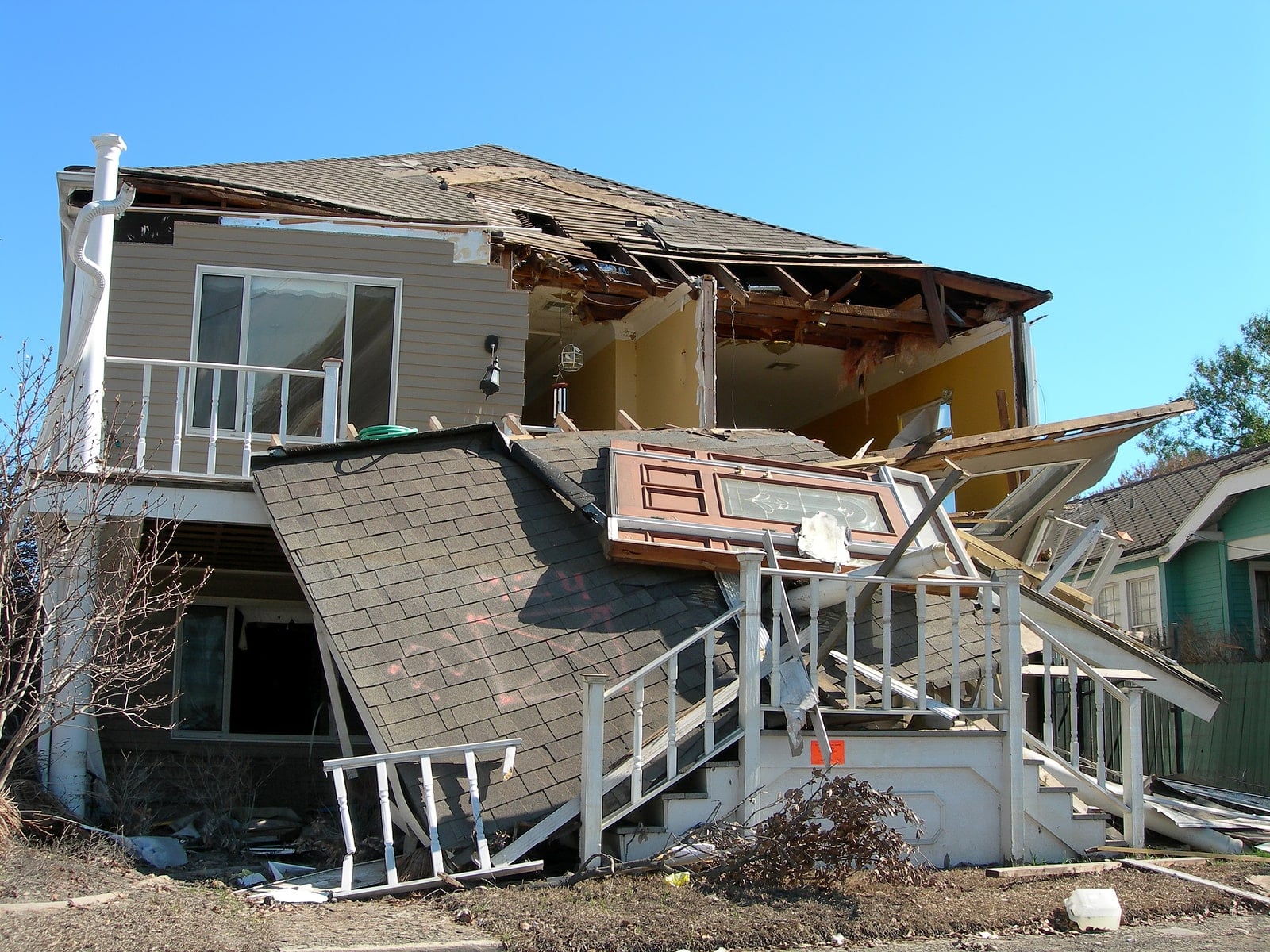
For building managers in Groveland, Clermont, Minneola, Mascotte, Howey-in-the-Hills, Mount Dora, Leesburg, and the rest of Lake County, the challenge is not just fixing damage. It is knowing what to do first, how to communicate clearly, when to bring in licensed specialists, and how to avoid turning a manageable issue into a drawn-out disruption.
Why Lake County properties need a different mindset
A lot of property management advice is written as if every building lives in a mild, dry climate. Lake County does not. Here, moisture control is not a side topic. It sits at the center of maintenance planning.
A small plumbing leak under a sink in a dry climate may stay contained longer. In Central Florida, that same leak can feed musty odors, soft materials, and microbial growth much sooner because the surrounding air already carries moisture. Add weekend vacancies, a closed-up suite, or an AC issue, and the building can shift from inconvenience to active damage before Monday morning.
That local reality affects commercial spaces in particular. Shared walls, roof penetrations, older window systems, janitorial closets, breakrooms, and HVAC condensate lines all create opportunities for moisture problems. If you manage retail, office, multifamily common areas, medical space, or mixed-use buildings, it helps to think less like a caretaker and more like a risk manager.
The buildings that fare best usually have two habits in place. First, they treat water intrusion as time-sensitive even when it looks minor. Second, they communicate with occupants early, before rumors fill the gap.
Mold is usually a moisture story first
One of the most useful things a manager can understand is that mold investigations often start too far downstream. People smell something earthy or see discoloration on drywall and jump straight to testing. In Florida, the better first move is often simpler: look for signs of moisture or water damage and fix the source.
That approach lines up with state health guidance. Moisture is the driver. If you do not solve the leak, humidity issue, or drainage failure, you have not solved the mold concern no matter how many surfaces get cleaned.
This matters because many mold myths circulate in commercial properties. Occupants hear one thing online, maintenance staff hears another from a vendor, and suddenly everyone is talking past each other.
The mold myths that trip managers up
A few persistent mold myths cause real delays in decision-making.
The first myth is that every mold concern begins with testing. Not always. If a wall cavity is wet, ceiling tile is stained, and the source is obvious, the building needs moisture control and proper cleanup. Waiting around for a lab report while materials stay damp can waste valuable time.
The second myth is that bleach solves everything. Surface cleaning has its place, but it is not a substitute for correcting the underlying moisture condition. If wet porous materials remain in place or humidity view page stays high, the smell and the problem often return.
The third myth is that a little musty odor is normal in Florida and should just be tolerated. A persistent odor tells you something useful. It may point to hidden dampness, stagnant air, neglected HVAC components, or old materials that were never dried properly after a prior event.
The fourth myth is that all occupant complaints are overreactions. Some are vague, some are emotional, and some are based on misinformation, but dismissing them is a mistake. People notice conditions before managers do, especially in suites or work areas visited only occasionally by staff.
The fifth myth is that commercial mold remediation is always a huge project. Sometimes it is. Sometimes it is a focused response involving isolation, removal of affected materials, dehumidification and air scrubbers, and source repair. The scale depends on the extent of moisture and the materials involved, not just the word “mold.”
Mitigation vs remediation, and why the distinction matters
Managers often hear two terms used almost interchangeably: mitigation vs remediation. They are related, but they are not the same thing.
Mitigation is the urgent work that limits additional damage. Think water extraction, temporary stabilization, drying setup, and steps to keep the problem from spreading. If a second-floor supply line breaks overnight, the immediate need is to stop the source, remove standing water, protect contents where possible, and begin drying.
Remediation is the corrective work that addresses contamination or damage that remains. In a mold situation, that can include removing affected materials, cleaning impacted areas under appropriate controls, and restoring conditions after the source problem has been resolved.
The distinction matters because building managers are often judged by speed in the first 24 hours and by judgment over the next several days. If you treat an emergency as a routine repair, damage spreads. If you treat every moisture event like a full reconstruction from the outset, you may overcomplicate the response and alarm occupants unnecessarily.
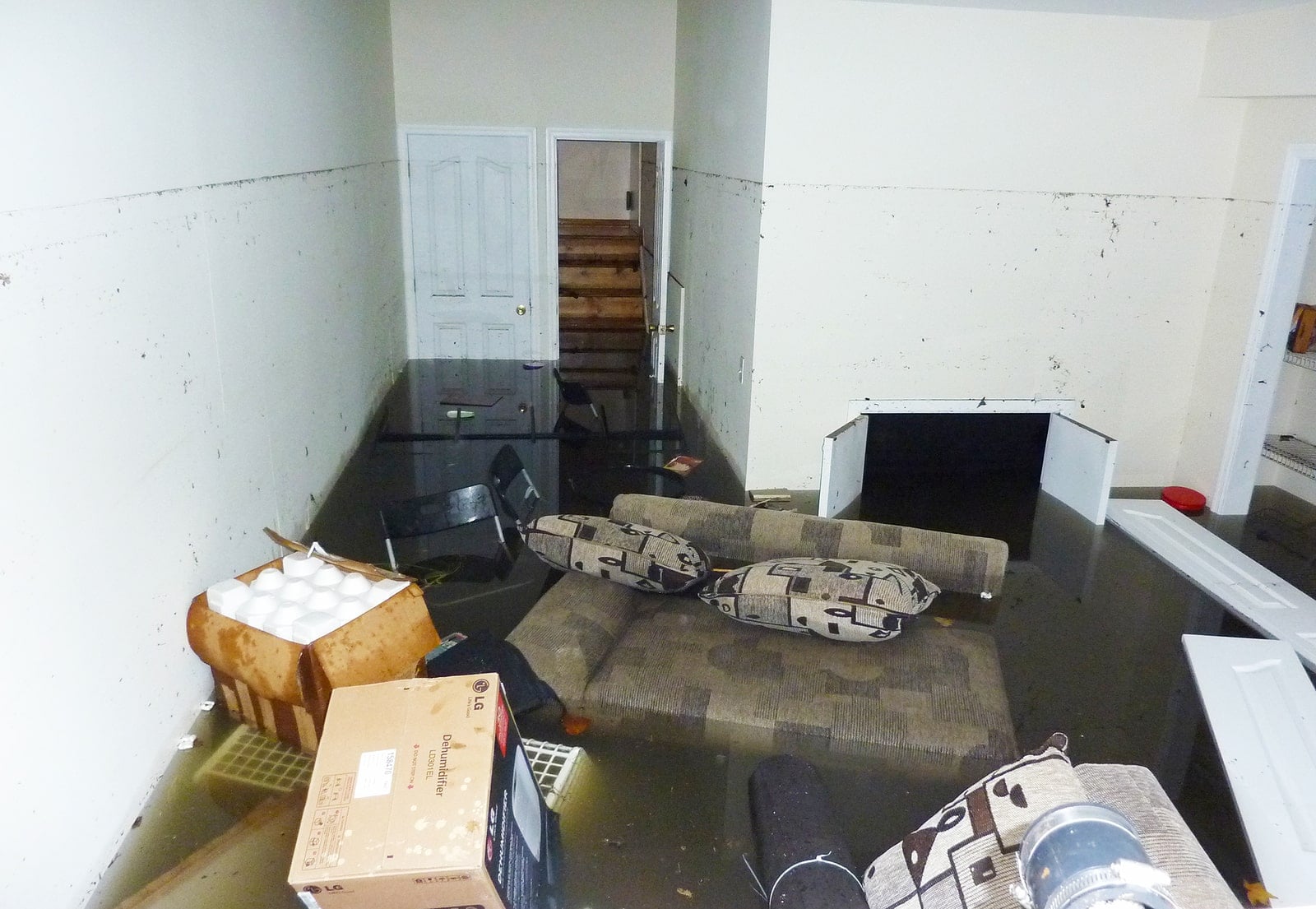
A seasoned manager learns to ask a practical sequence of questions. Is water still entering? What materials are wet? How long has this been happening? Is the HVAC affected? Are occupants present? Is there visible growth, odor, or debris that suggests this is no longer just a drying job?
Those questions lead to better decisions than labels do.
A practical water damage checklist for the first call
When staff reports a leak or a tenant sends photos at 7:15 a.m., the first conversation should gather enough information to guide action without turning into chaos. A short water damage checklist helps.
- Identify the source if known, such as roof, plumbing, HVAC, window, or unknown.
- Estimate the affected areas, including nearby rooms, hallways, and any lower level spaces.
- Ask whether power, HVAC operation, or occupied work areas are involved.
- Document visible conditions with time-stamped photos and note any odors or staining.
- Decide whether the situation calls for immediate emergency cleanup or can wait for scheduled repair.
That last point is where experience counts. A drip into a storage room is not the same as water moving above electrical fixtures in an occupied suite. The phrase property manager water damage covers a wide range of events, and triage is part of the job.
In Lake County, one of the more common mistakes is underestimating what happened overnight or over a weekend. Water can travel far from the original source. It can wick into drywall, run along framing, collect under flooring, and show up in a tenant space that seems unrelated. Managers who only inspect the obvious wet spot often miss the real footprint.
Occupant updates can calm a building or unsettle it
Technical work matters, but communication is what occupants remember. A building manager who gives timely, plain-language updates can maintain trust even during a messy event. A manager who says nothing until repairs are underway often creates frustration that outlasts the damage itself.
People do not need a dramatic memo. They need clarity. What happened, what is being done today, what areas are affected, whether they need to move temporarily, and who to contact if they notice related conditions. Those basics matter more than jargon.
The tone matters too. If you overstate certainty, you can back yourself into a corner. If you understate the issue, occupants may assume you are hiding something. The sweet spot is calm, factual, and specific. For example, if a roof leak affected one corridor and two suites, say that. If drying equipment will run overnight, say that too and explain why.
For odor-related events, transparency is especially important. Musty smells, smoke residue, or stale air often make occupants more anxious than visible water damage because they cannot tell whether the issue is harmless, temporary, or spreading. Even when the answer is still developing, it helps to explain the process. “We found moisture above the ceiling in one area and drying is underway” is far more useful than “We are monitoring the situation.”
Hurricane season preparation Florida managers should not postpone
Florida’s hurricane season runs from June 1 through November 30, and preparation should begin before the season starts. For Lake County managers, that means more than checking a weather app once a storm appears on the map.
Storm planning has to account for both direct and indirect damage. A property may never take a catastrophic hit and still suffer repeated roof leaks, window intrusion, drainage overflow, or extended humidity after heavy weather. Buildings with aging envelopes or deferred maintenance are especially vulnerable.
Preparation is not glamorous work. It is roof review, drainage review, confirming after-hours contacts, checking where water tends to intrude, and deciding in advance how occupant notifications will go out if there is a problem. It is also making sure vendors and internal staff know who has authority to approve emergency response.
In practice, the difference between a manageable storm event and a drawn-out recovery is often whether the property team already knew its weak spots. Every older complex has them. A loading area that backs up. A parapet wall that leaks in wind-driven rain. A first-floor office that gets damp after repeated storms. A mechanical room that runs hot and humid if HVAC strains.
That local memory is valuable. It belongs in planning conversations, not just in one superintendent’s head.
Older buildings deserve closer scrutiny before any renovation
Lake County has its share of older homes and older commercial buildings, and age changes the risk picture. Even when the current issue seems limited, opening walls, replacing flooring, or disturbing older materials can trigger separate compliance questions.
That is where an asbestos survey before renovation becomes important. In Florida, asbestos work is regulated through licensure and abatement rules, and licensed asbestos businesses must be qualified by a licensed asbestos contractor or consultant. The state’s rules are designed to minimize fiber release during demolition and renovation, especially in commercial, public, and residential buildings. Some smaller residential situations may be treated differently, but commercial managers should not make assumptions.
The practical takeaway is straightforward. If renovation or demolition will disturb suspect materials in an older building, pause and verify what is required before the work begins. That protects occupants, contractors, and the property owner. It also prevents the expensive kind of delay where work starts, someone raises a concern, and the whole project stops midstream.
Managers sometimes associate this only with large redevelopment work, but it can come up during smaller projects too. A repeated leak behind a wall can turn a “simple repair” into a renovation area once materials need to come out. The same is true when a flood event damages older finishes.
The phrase home inspection older homes Florida usually makes people think of residential purchases, but the underlying lesson applies to commercial properties as well: older buildings often hide conditions that do not show themselves until materials are opened or weather exposes them.
Indoor air quality is not just an HVAC talking point
Indoor air quality Florida concerns come up quickly after moisture events because people can smell changes before they can describe them. That can include mustiness, stale air, damp carpet odor, or lingering smells after smoke exposure or cleanup work.
A common mistake is to treat indoor air quality as an abstract concern instead of a building condition with clues. Odors after rain, recurring condensation, comfort complaints in one wing, and ceiling tiles that repeatedly stain all belong in the same conversation. They may point to building moisture, ventilation issues, or hidden damage from older incidents.
Drying equipment choices affect this too. Dehumidification and air scrubbers are not decorative add-ons. They serve different functions, and their role should match the actual condition. Dehumidification lowers moisture in the air and helps materials dry. Air scrubbers are typically used when cleaning the air in controlled work areas is part of the response. Not every event needs the same setup, and adding machines without a plan can create noise and disruption without solving the underlying issue.
That is another reason experienced restoration teams are valuable. Organizations such as the IICRC offer certifications in areas like Applied Microbial Remediation Technician, Applied Structural Drying Technician, and Building Moisture Inspection. Certifications alone do not guarantee judgment, but they do signal that a provider has trained in the technical side of drying, contamination control, and moisture evaluation.
For a manager, the practical question is whether the team on site can explain what they are doing and why. If they cannot connect equipment and containment decisions to the actual conditions in the building, keep asking questions.
Fire, smoke, and the odors that linger after “cleanup”
Water and mold tend to dominate planning conversations, but smoke odor removal deserves a place in the same discussion. Even a relatively small fire event, whether on site or from a neighboring space, can create stubborn odor complaints long after the visible mess is gone.
Smoke behaves differently from standing water. It can settle into porous materials, circulate through HVAC pathways, and create complaints in rooms that did not appear heavily affected at first glance. Managers sometimes assume the problem is solved when soot is wiped up and the damaged area is repaired. Occupants may tell a different story once they return.
The communication lessons are similar to water events. Set expectations clearly. Odor problems can take longer than people think because the issue is not just what is visible on a surface. It may involve cleaning, filtering, selective material removal, or other corrective steps depending on what was affected.
Emergency response works best when the plan is local
A general emergency plan on paper is useful. A local one is far better. Lake County properties benefit when managers know who can respond after hours, who can access keys, who can authorize work, and how quickly occupants can be updated if an event affects operations.
For managers in this area, having access to 24/7 emergency cleanup Lake County support can make a real difference, especially during storms, weekend leaks, or overnight failures. The challenge is not simply finding a phone number. It is knowing before the emergency who will handle water extraction, drying, cleanup, and the coordination that follows.
EnviroTech Solutions is based in Groveland, Florida, and serves Lake, Orange, Seminole, and Osceola counties. For local managers, that kind of service footprint matters because response planning is easier when the provider already works in the region and understands the building conditions that come with Central Florida weather.
The best vendor relationships are not built during the emergency itself. They are built earlier, when there is time to walk a property, discuss recurring trouble spots, and align on how updates will be handled if something happens at 2 a.m.
What experienced managers do before problems happen
The managers who seem calm during ugly building events usually are not calmer by personality. They are calmer because they have already thought through the first moves.
They know which complaints deserve immediate escalation. They understand that a repeated ceiling stain is rarely “just cosmetic.” They recognize that visible growth is often the end result of a moisture issue that started much earlier. They do not let occupants discover major drying equipment with no explanation. And they know when a repair crosses into regulated territory, especially in older buildings where an asbestos survey before renovation may be part of doing the job properly.
A solid pre-season review for hurricane season preparation Florida properties should include communication plans as much as physical inspection. Occupants want to know who will notify them, what to expect, and how access or operations might change if weather causes leaks or cleanup work. Property owners want to know that decisions will be documented and defensible. Vendors want enough information to mobilize efficiently.
Here is a practical pre-season focus list that fits most commercial properties in Lake County.
- Review known leak points, roof history, drainage trouble spots, and HVAC moisture issues.
- Confirm after-hours contacts for ownership, maintenance, vendors, and key occupants.
- Prepare simple update templates for leaks, drying work, access limits, and safety notices.
- Identify older building areas where renovation work may require added compliance review.
- Decide in advance who can approve emergency mitigation outside normal business hours.
None of that is complicated. It is simply the kind of preparation that shortens confusion when a storm line rolls through or a line breaks above a tenant suite.
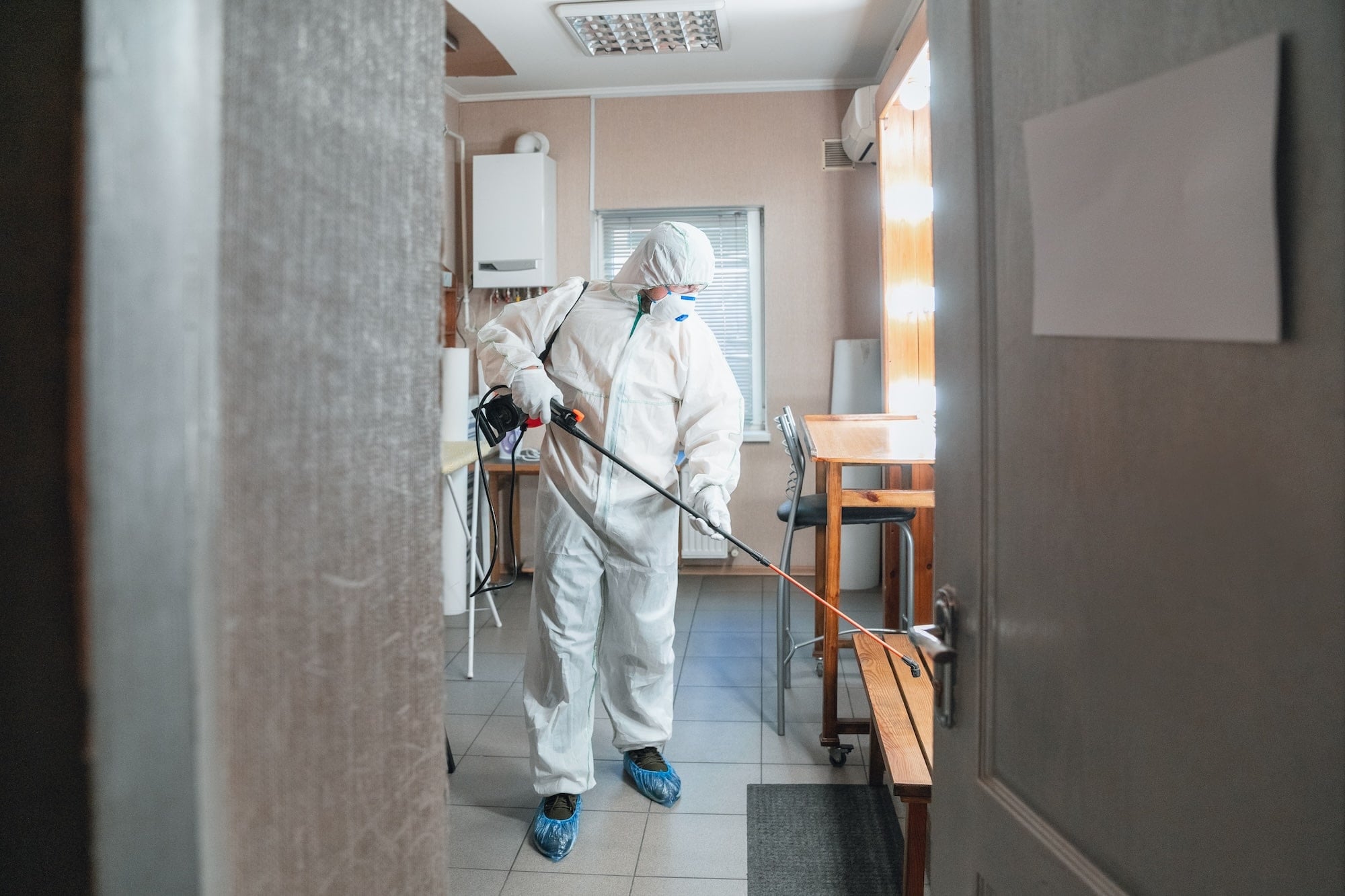
Good planning protects more than the building
When a property has water damage, people usually focus on materials first. Drywall, carpet, ceiling tile, contents. Those matter, of course. But a manager’s planning also protects schedules, tenant relationships, vendor coordination, and credibility.
A building that is physically repaired but poorly managed through the process often pays a second price. Occupants lose confidence. Small complaints multiply. Renewal conversations get tougher. Staff spend weeks answering preventable questions.
On the other hand, a manager who responds quickly, communicates clearly, understands mitigation vs remediation, respects the realities of indoor air quality Florida conditions, and plans early for hurricane season is already ahead of the problem. Not because leaks stop happening, but because the property team knows how to contain the damage and keep people informed.
That is the real job in Lake County. Not perfect prevention. Steady judgment, local awareness, and a plan that works when the weather turns, the ceiling stains, or the phone starts ringing before the office opens.