Humidity Below 60% Matters: An Educational Guide to HVAC Leaks and Mold in Lake County Homes
Lake County homes live with moisture pressure for much of the year. Groveland, Clermont, Mount Dora, Eustis, Leesburg, and the smaller communities in between all share the same broad challenge: warm air, seasonal downpours, long cooling seasons, and storm risk. That combination does not guarantee mold, but it gives mold every opportunity when a house has a hidden leak, a damp wall cavity, a sweating supply vent, or an air handler that is not draining the way it should.
One of the most useful benchmarks for homeowners is simple: keep indoor humidity below 60 percent. That number matters because mold needs moisture to grow. When the air stays too damp, especially in a closed house with limited airflow, ordinary surfaces can hold enough moisture for trouble to start. Florida health guidance is clear on this point. If you are relying on central air conditioning to lower indoor humidity below 60 percent and that is not happening, the system should be examined for problems.
That advice sounds straightforward, but in real houses the reason is not always obvious. People often notice the symptom first. A musty smell in a hallway closet. Dark spotting near an AC register. Condensation on a vent boot. Paint that looks a little bubbled near a return grille. By the time those clues show up, the issue may be bigger than a dirty filter or a one-time spill.
Why indoor humidity becomes a real house problem
In Lake County, humidity enters the picture from more than one direction. It can come from outdoors during rainy weather and summer afternoons. It can come from inside the home through bathing, cooking, and poor bathroom or kitchen ventilation. It can come from plumbing leaks, roof leaks, flooding, and condensation. It can also come from the HVAC system itself, especially when drain-pan or drainage problems allow water to linger.
That last category catches homeowners off guard. Many people think of air conditioning as the thing that removes moisture, and under normal conditions it does. But if the system has a fault, the same equipment that should be helping can become part of the moisture problem. A central AC system moves a lot of air through the house. If there is persistent condensation, a drain issue, or leakage that lets humid air meet cold surfaces, moisture can collect in places that stay hidden until odor or visible growth appears.
Visible mold matters, but recurring mold tells an even bigger story. If someone wipes or paints over a patch and it comes back, the house is still feeding the problem. Florida health guidance makes that point very plainly: visible mold or mold that keeps returning usually means the underlying moisture source still has not been fixed.
The 60 percent threshold is practical, not abstract
Homeowners sometimes hear humidity advice and file it away as a technical detail. It is more practical than that. remediation services in Groveland Humidity below 60 percent is a line that helps you judge whether your home is controlling moisture well enough to reduce mold risk. It is not the only factor, and it does not replace a physical inspection, but it gives you a useful read on whether your AC is doing the job it is supposed to do.
If your thermostat or indoor monitor regularly shows humidity above 60 percent, especially over stretches of hot or wet weather, pay attention. That does not automatically mean you need major HVAC mold remediation, but it does mean you should look for reasons rather than assuming the weather is just unusually sticky. In my experience, homeowners lose time when they normalize indoor dampness. They say things like, “It’s Florida, everything feels humid,” and stop there. Outdoors, yes. Indoors, not necessarily.
A healthy response starts with curiosity. Is the problem happening only in one room? Only at night? Only after storms? Only when the system runs constantly? Patterns help narrow the cause. Moisture tied to rain may suggest roof or envelope leakage. Moisture centered around vents, returns, or the air handler may point toward HVAC issues. Dampness in kitchens and baths may be linked to poor exhaust ventilation. Flooding or a past plumbing event raises a different set of concerns entirely.
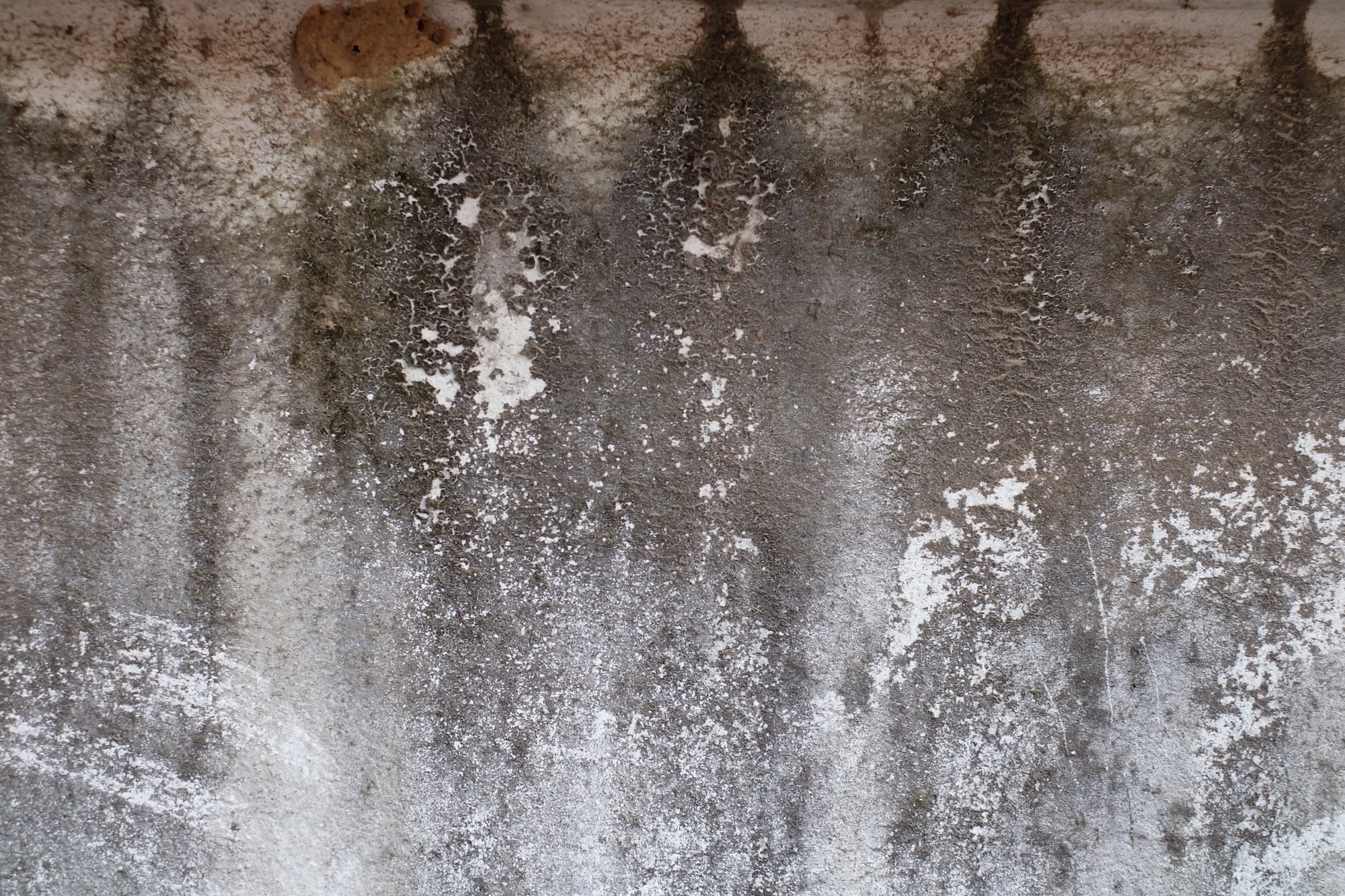
What HVAC leaks and AC moisture issues actually look like
Not every moisture problem around an HVAC system announces itself with a dramatic drip. Sometimes the signs are subtle, and that is why they linger.
A family in Groveland might notice that one guest bedroom smells stale even after cleaning. Nothing looks soaked. The carpet feels dry. But the supply vent has a faint ring of discoloration, and the closet on the same wall feels muggy. That kind of pattern can fit an air-distribution moisture issue, condensation, or leakage that needs inspection. Another homeowner may see water around the indoor unit one week, clean it up, and then go months before connecting that small puddle to later microbial growth nearby. The issue was never the puddle alone. It was the fact that water showed up where it should not have, then likely showed up again.
Common moisture sources in and around AC systems include condensation, drain-pan or drain-line problems, and conditions that let water persist near components or building materials. Once nearby drywall, insulation, framing, or flooring stays damp long enough, mold can grow. By then, the house problem is no longer just “the AC is not cooling right.” It becomes a building moisture issue.
That distinction matters because repairs and cleanup often need to happen together. Replacing stained drywall without correcting the moisture source solves nothing. On the other hand, fixing a system leak but leaving contaminated materials in place can leave odor and growth behind. Good judgment means addressing both the cause and the damage.
The smell test has limits
People trust their noses, and musty odor is a useful clue, but it is not a complete diagnostic tool. Some mold growth has little odor. Some odors that smell moldy are actually tied to damp dust, old water damage, or other contamination. A house can also have more than one issue at once, especially after a storm season.
Odor removal has its place, but deodorizing should never stand in for finding moisture. If a company offers to “treat the smell” without a careful discussion about where moisture is coming from, that should raise questions. Odor is the effect. Moisture is usually the driver.
The same logic applies after bigger events. A home that took on water during a storm may smell earthy, sour, or stale days later. The odor itself does not tell you whether the concern is clean water, gray water, or something worse. If flood or storm water entered the home, contamination becomes part of the conversation, and ordinary housekeeping is not enough.
When storms turn a humidity problem into a restoration problem
In Central Florida, there is a point where “my house feels damp” turns into a broader loss event. Heavy rain, roof leaks, flooding, and hurricane impacts can overwhelm normal home systems. After a storm, mold is often only one piece of the picture. You may also be dealing with damaged drywall, wet insulation, contaminated contents, and unsafe utilities.
Hurricane damage restoration in Florida often begins with basic safety decisions before anyone worries about cosmetic cleanup. Reentry should focus on hazards first, including utility safety and contamination risks. Flooded homes can contain sewage, and storm water should not be assumed clean. If food has been exposed to flood or storm water, public health guidance says it should be discarded. Generators also need care because misuse can create fire and carbon monoxide risks.
These are the moments when emergency restoration services are most valuable, not because every wet house needs the same response, but because speed and judgment matter. The first round of decisions can either limit secondary damage or make it worse. Water damage cleanup in Central Florida is not just about drying visible surfaces. It is about understanding what got wet, how long it stayed wet, and whether contamination changed the safety profile of the job.
The first questions to ask when you suspect HVAC-related mold
When homeowners call a remediation company in Lake County, I find the most helpful conversations start with a few basic observations rather than assumptions. You do not need to diagnose the system yourself. You do need to describe what the house is doing.
- Has indoor humidity been staying above 60 percent?
- Do you see visible mold, staining, or condensation near vents, returns, or the air handler?
- Is there a musty odor that gets stronger when the AC runs?
- Has the home had recent roof leaks, plumbing leaks, or flooding?
- Is the issue recurring after cleaning or repairs?
Those questions do not replace an inspection, but they do help separate a one-room surface issue from a whole-house moisture pattern. They also help you explain the problem clearly to an HVAC professional or mold contractor.
Why “just clean it” often fails
Homeowners are practical. If they see a small patch on a ceiling grille or around a vent boot, they often try the common-sense route first: wipe it down, repaint, and keep an eye on it. For a minor one-time issue, that instinct is understandable. The problem is that mold is less of a stain issue than a moisture issue. If the cause remains, the growth comes back.
That is why mold removal in Groveland or elsewhere in Lake County should be viewed as part of a bigger process. The visible material may need to be cleaned or removed, but the more important question is what kept that area wet or damp enough for growth. Was it condensation from an HVAC problem? A roof leak during repeated storms? Humid air entering a cavity? A plumbing leak in an adjacent wall? Poor ventilation in a bath that stays steamy for hours?
The answer determines what real remediation looks like. Sometimes the scope is contained. Sometimes it spreads beyond what a homeowner expected because hidden building materials stayed wet. Either way, fixing the source is not optional.
Older homes bring extra rules and extra caution
Some Lake County homes were built long before current renovation practices. That matters when moisture damage leads to opening walls, removing old flooring, scraping damaged textures, or replacing duct-adjacent finishes. Homes built before 1978 may contain lead-based paint, and renovation or repair can disturb it. Major demolition or renovation work can also raise asbestos concerns where asbestos-containing materials are present.
That does not mean every older home has an asbestos problem, and it does not mean every mold job needs hazardous-materials work. It does mean you should not treat older materials casually during demolition. If a project involves disturbing suspect materials, ask the right questions early. In some cases, Groveland FL asbestos testing may be part of the planning process before walls, ceilings, or other materials are removed. If asbestos-containing materials are identified and affected by the work, asbestos abatement in Lake County has to be handled under applicable rules.
This point gets missed when homeowners are in a hurry. A leak behind an old bathroom wall feels urgent, so people want the wall opened immediately. Urgency is real, but so is safe sequencing. A good restoration or remediation plan accounts for both.
Licensing matters when mold is part of the job
Florida has licensure requirements related to mold assessment and remediation through the Florida Department of Business and Professional Regulation. Homeowners do not need to memorize agency structure, but they should know that mold work is not a free-for-all. If you are hiring for mold-related services, ask direct questions about qualifications and scope.
That matters even more when the project overlaps with HVAC work. Mechanical repair and mold cleanup are related, but they are not identical. One contractor may handle the system problem while another handles contaminated materials, depending on the specifics. The right team is the one that can clearly explain what they are fixing, what they are removing or cleaning, and what the plan is to prevent recurrence.
Sewage, smoke, and other damage that can complicate mold jobs
Homes do not always fail in neat categories. A storm can lead to roof leakage, then mold. A backup can lead to sewage cleanup in one area and moisture migration in another. A kitchen fire can lead to fire and smoke damage cleanup, then water-related damage from suppression or firefighting efforts. By the time the homeowner calls for help, the problem is layered.
Sewage deserves special respect. Public health guidance treats sewage backups as health hazards, and cleanup should use protective precautions with affected areas isolated during cleanup. That is not a weekend wipe-down project. If sewage was involved, the conversation is not just about drying and odor. It is about contamination control.
Smoke losses create their own kind of complexity. After a home fire, the first 24 hours are especially important for safety checks, salvage decisions, and starting the insurance and recovery process. Water used in response to the fire may leave wet materials behind, which means smoke odor, water damage, and mold risk can collide. This is where a seasoned remediation company in Lake County earns its keep, by recognizing that one category of damage often cascades into another.
Insurance questions are part of the cleanup reality
Homeowners are often surprised by how much of a restoration project is paperwork and decision-making. After flood, storm, smoke, or fire events, document damage and coordinate with your insurer during cleanup and repair. Insurance is a legal contract, so if you do not understand what is covered, ask. Keep records, photos, and notes. An inventory helps.
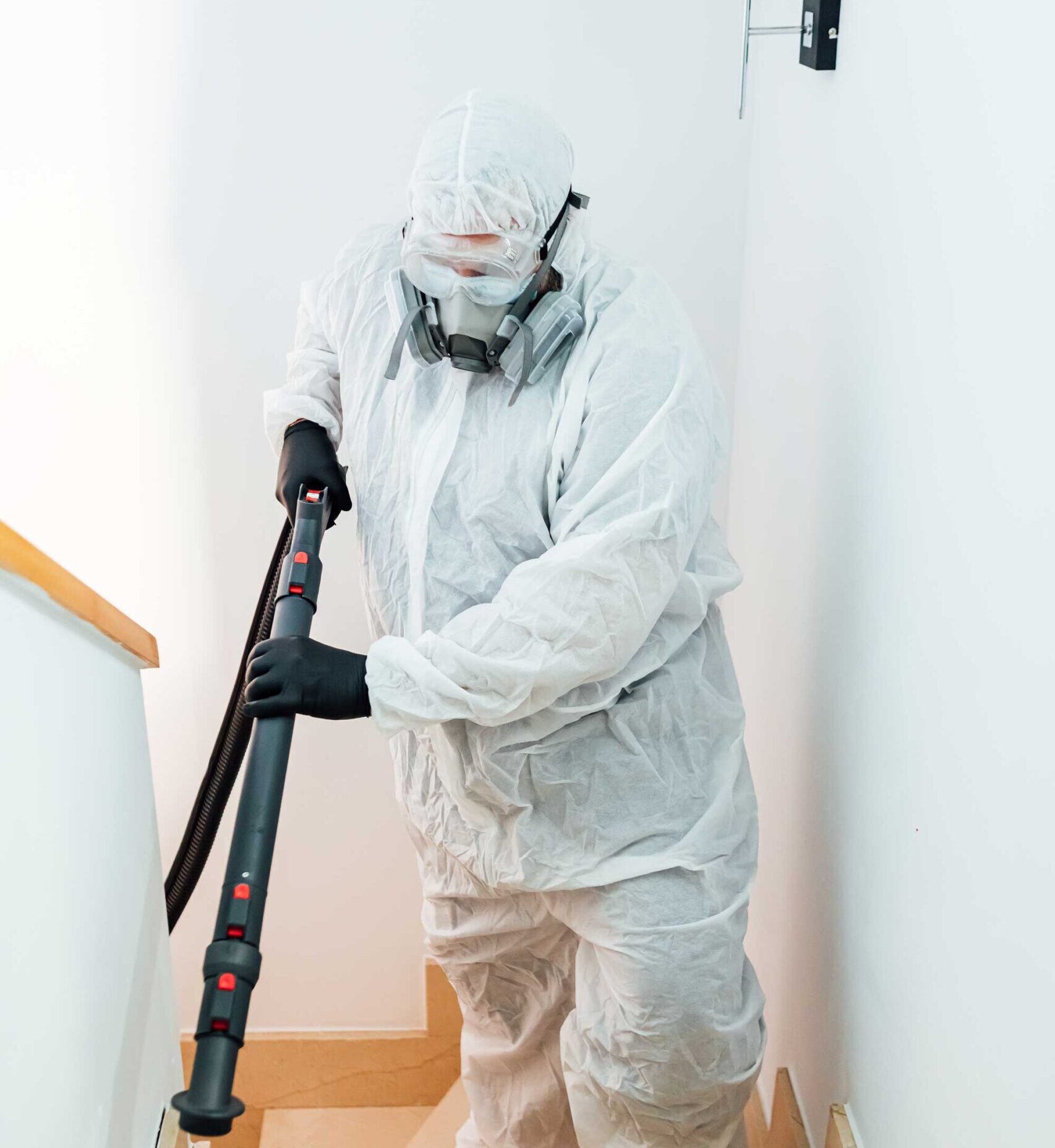
That advice is easy to skip when you are standing in a wet living room or staring at a stained ceiling. Still, those early records matter. Take photographs before materials are removed when it is safe to do so. Save receipts. Write down when the damage was discovered and what conditions you observed. If a contractor identifies additional affected areas after opening materials, ask for that to be documented clearly.
This is not busywork. It helps everyone understand the timeline and the scope, and it reduces confusion later when repairs, remediation, and coverage questions overlap.
Practical habits that support a drier home
There is no single trick that makes a Florida house mold-proof, but a few habits consistently help. The goal is not perfection. It is reducing the amount of time moisture gets to linger.
- Watch indoor humidity, especially during long cooling seasons and rainy stretches.
- Pay attention to musty odors, condensation, and stains near vents, ceilings, and closets.
- Address roof leaks, plumbing leaks, and drainage issues quickly rather than waiting for visible damage to spread.
- Use bathroom and kitchen ventilation so everyday moisture does not stay trapped indoors.
- If your central AC is not keeping humidity below 60 percent, have the system examined for problems.
These habits sound ordinary because they are ordinary. That is exactly why they matter. Most mold situations in occupied homes start with neglected basics, not dramatic disasters.
What a good response looks like in real life
A solid response usually follows a simple logic. First, identify whether there is an active moisture source. Second, stop or repair that source. Third, evaluate what materials were affected and whether contamination is limited or more widespread. Fourth, clean, remove, or remediate as appropriate to the actual conditions. Fifth, verify that the home is drying and that humidity control is back on track.
What it should not look like is guesswork disguised as speed. If someone immediately jumps to fogging, deodorizing, or surface treatment without addressing leaks, drainage, ventilation, or HVAC function, the house is likely to circle back to the same problem. If someone wants to tear into an older home without discussing lead or asbestos concerns where applicable, that is another red flag.
Homeowners in Groveland and greater Lake County do not need to become indoor-air specialists to protect their homes. They do need to respect the connection between moisture and building health. The line between a manageable fix and a larger remediation project is often just time. A small recurring AC-related moisture issue can become wall damage, insulation damage, odor, and mold if it is allowed to sit through a humid Florida season.
Keeping indoor humidity below 60 percent is not an arbitrary housekeeping goal. It is a practical standard that helps your house resist mold. When that standard is hard to maintain, the house is telling you something. Sometimes the message is minor. Sometimes it points to HVAC mold remediation, water damage cleanup in Central Florida, or a broader restoration problem after storms, sewage, smoke, or fire. Either way, the path forward is the same: find the moisture, fix the cause, and deal honestly with the materials that were affected. That is how homes in Lake County stay cleaner, safer, and far less likely to develop the same problem twice.